
Motor Milestone Assistance at Movevery Pediatric Physical Therapy in Denver, CO
Gentle Support for Confident Movement and Early Development
Every baby develops at their own pace, but sometimes extra support can make early movement feel easier and more enjoyable.
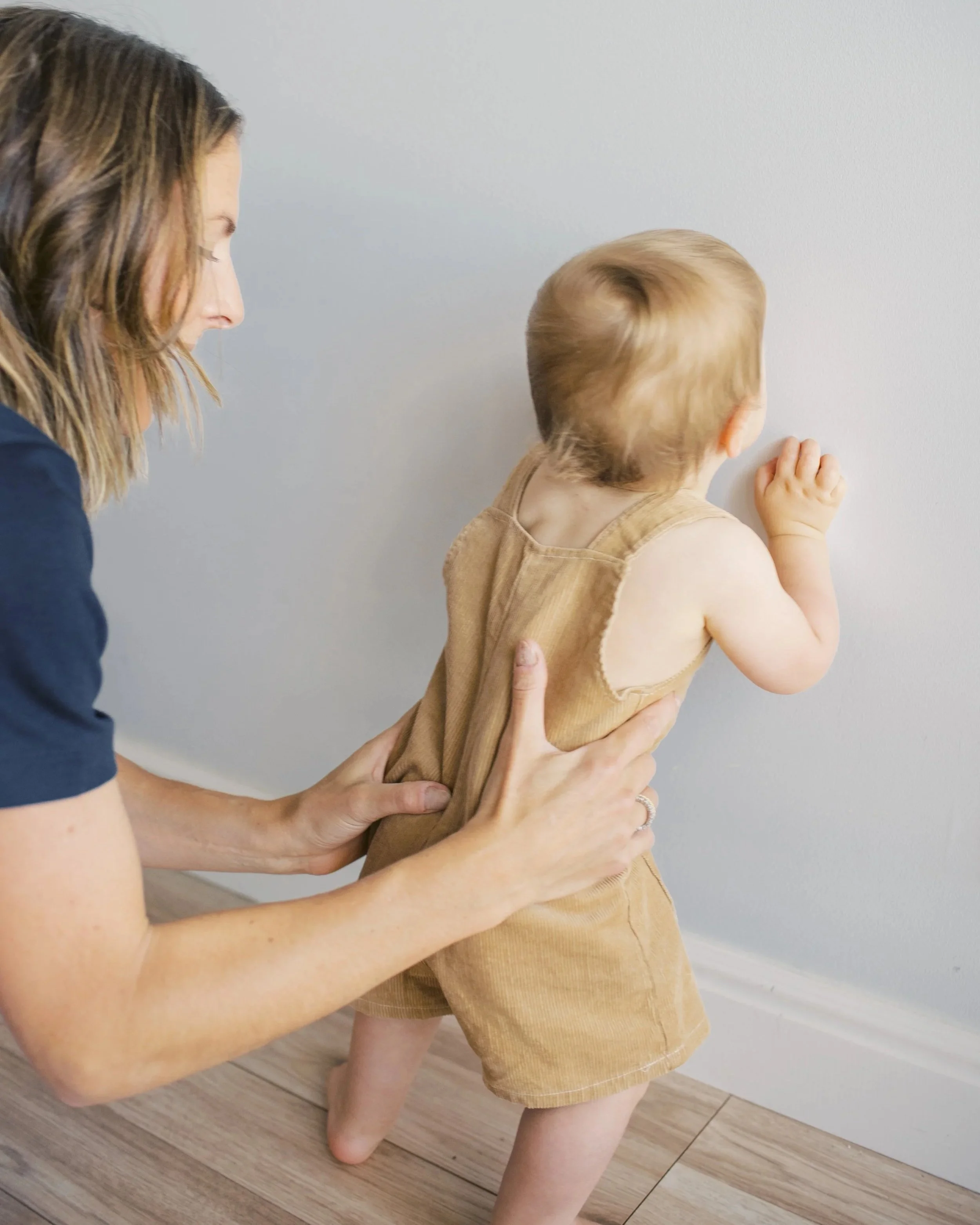
Motor Milestone Assistance at Movevery supports infants and toddlers in developing foundational skills such as rolling, sitting, crawling, standing, and walking—through gentle, developmentally appropriate care guided by each child’s readiness and cues.
Support for Healthy Motor Development in Babies and Toddlers
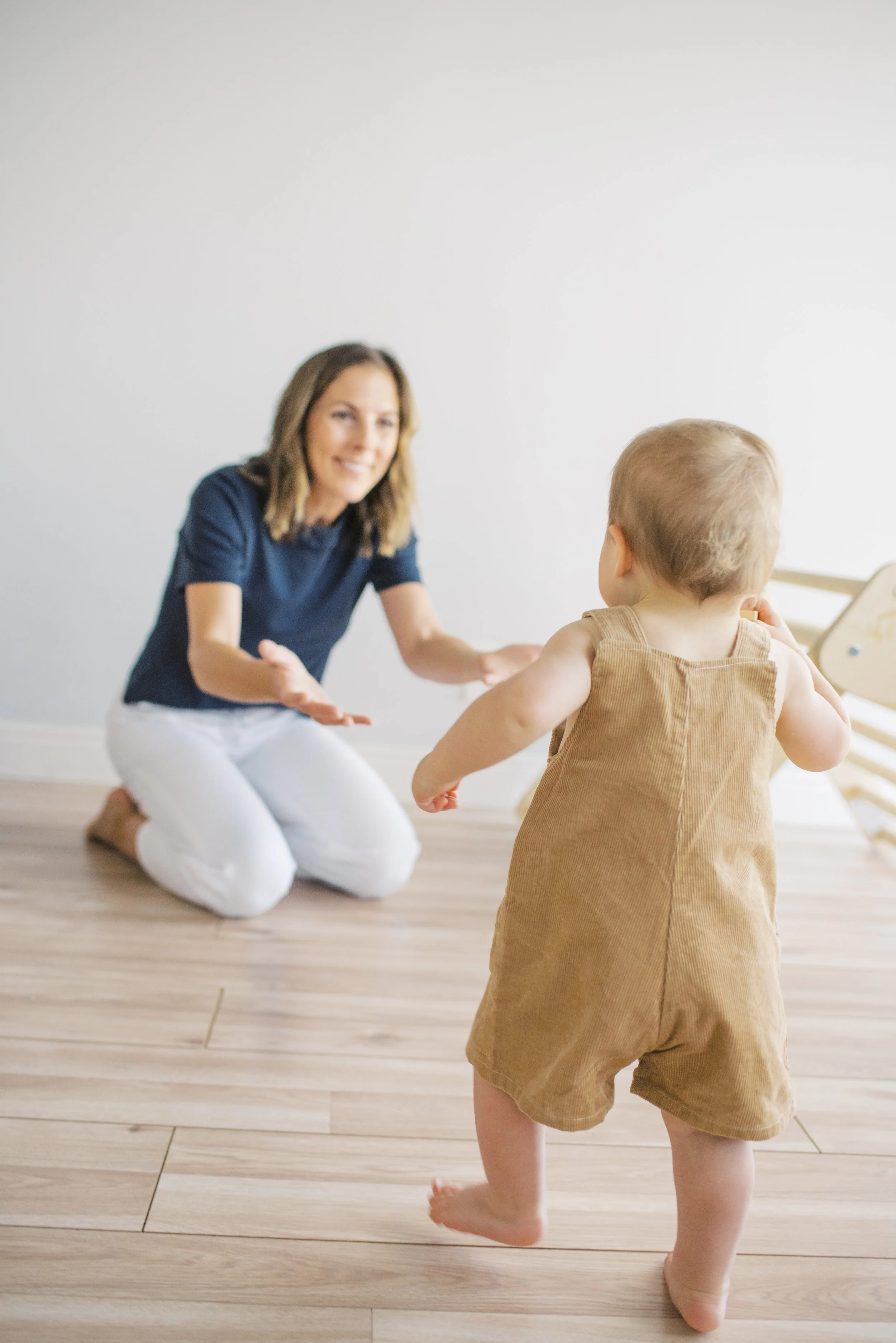
Motor Milestone Assistance at Movevery Pediatric Physical Therapy supports infants and toddlers as they develop the movement skills needed for healthy growth. Using gentle, play-based pediatric physical therapy techniques, we help babies build strength, coordination, balance, and body awareness during the most important stages of early development.
Our sessions support milestones such as tummy time, rolling, sitting, crawling, standing, and walking, while encouraging natural movement patterns and confidence.
What Is Motor Milestone Assistance?
Motor Milestone Assistance is a pediatric physical therapy service for babies and young children who may need extra support with early movement development. We meet each child where they are, building on their existing abilities to help them progress through developmental milestones with greater ease.
Motor Development Support: When & How We Help
What to Expect in a Session
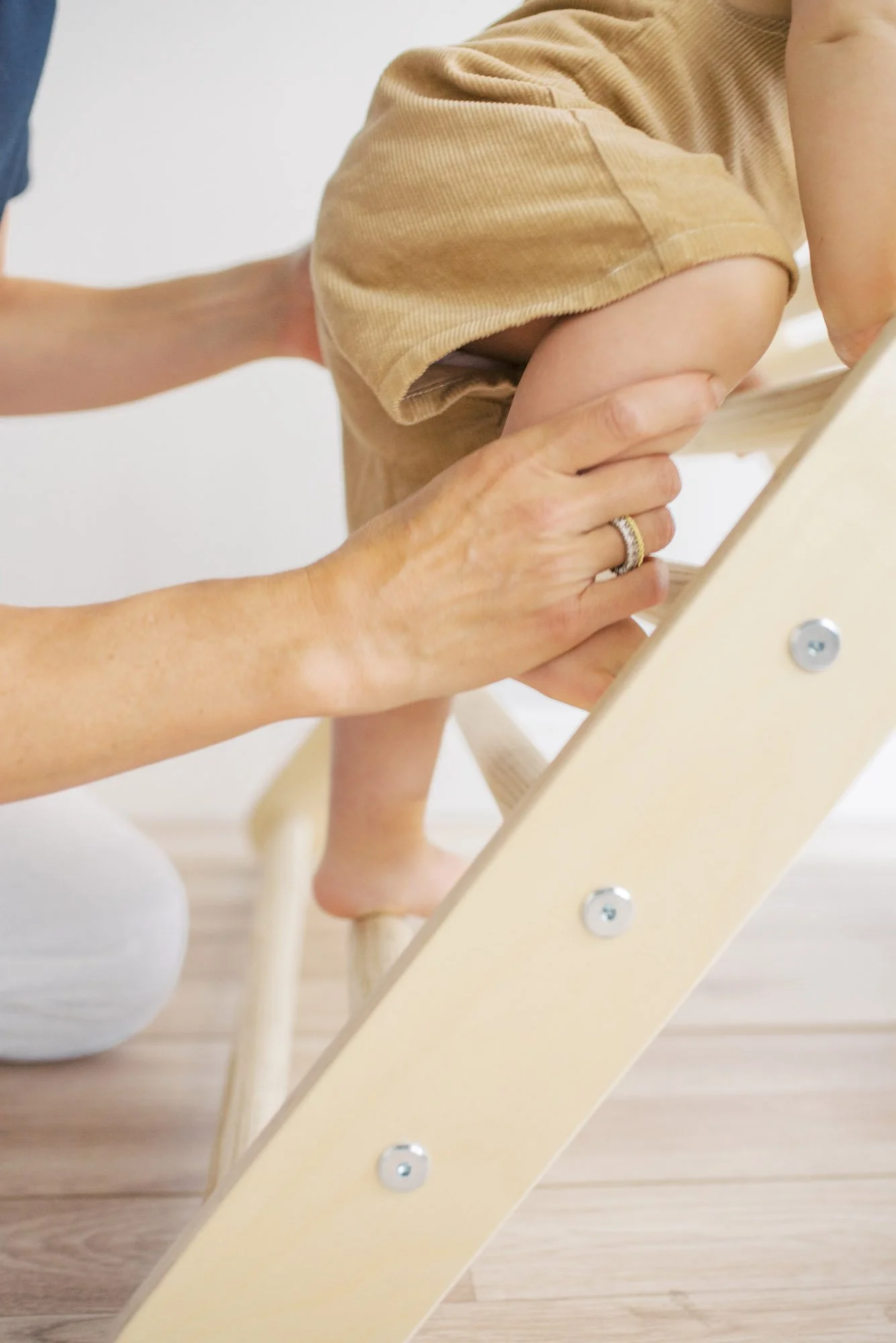
Sessions are calm, engaging, and responsive to your child’s cues. Dr. Nicole thoughtfully observes how your child moves, plays, and explores transitions, then provides hands-on support and guided activities tailored to their needs.
Caregivers are active participants and receive coaching and simple, practical strategies to support motor development during everyday routines and play.
Who This Service Is For
Motor Milestone Assistance supports:
Infants as they build early movement skills and body awareness
Toddlers as they develop standing, walking, coordination, and confidence in movement
Infants and toddlers who benefit from extra support as movement skills emerge, change, or feel challenging
Infants and toddlers with asymmetries, movement preferences, or difficulty progressing between skills
Whether your child needs gentle guidance, help expanding movement variety, or more structured support, we’re here to meet them where they are and support what comes next.
Signs Your Baby May Benefit from Motor Milestone Support
Children develop at their own pace, and we often look for the “mini-stones” along the way — the smaller movement patterns that build the foundation for bigger motor milestones. Some babies simply need a little extra support as they grow and explore new ways to move.
Parents often begin to notice things like their baby struggling with tummy time, not rolling or sitting yet, or moving in ways that feel asymmetrical. If you notice any of the signs below, a pediatric physical therapy evaluation can help identify underlying movement patterns and support your child’s development.
Movement Patterns You May Notice
Difficulty tolerating tummy time
Low muscle tone (hypotonia) or decreased core strength
General stiffness or tightness in the body
Preference to use one side of the body more than the other
Head turning or tilting to one side
Limited weight bearing through the legs by 6 months
Motor Milestones To Watch For
Not rolling from back to belly or belly to back by 6 months
Not sitting independently by 7 months
Bottom scooting instead of crawling
Asymmetrical or unusual crawling patterns
Hitch crawling (pulling one leg forward)
If you notice any of these signs, early support can make a meaningful difference in your baby’s movement and development.
Supporting Confident, Comfortable Movement
At Movevery, we believe confident movement grows from comfort, connection, and support. Our goal is to help your child explore movement with curiosity and confidence while giving you the understanding and tools to support them along the way.
Interested in Motor Milestone Assistance?
We’d love to help you determine whether this service is a good fit for your child and family.
“When our 11-month-old wasn’t crawling, I grew concerned and reached out to Dr. Nicole. She responded within minutes and quickly scheduled a virtual milestone consultation. During the session, she assessed his movement and suggested stretches and exercises, noting possible tightness in his hip and ankle.
Since we live out of state, she helped us find a local pediatric PT. The therapist confirmed Dr. Nicole’s assessment — tightness in his right hip and ankle was limiting his mobility. After just two sessions, he was crawling confidently.
Dr. Nicole’s warmth, expertise, and genuine care truly set her apart. I trust her completely with my child’s development and highly recommend her.”

Pediatric Physical Therapy & Bodywork Services
-
In-Home Pediatric Physical Therapy
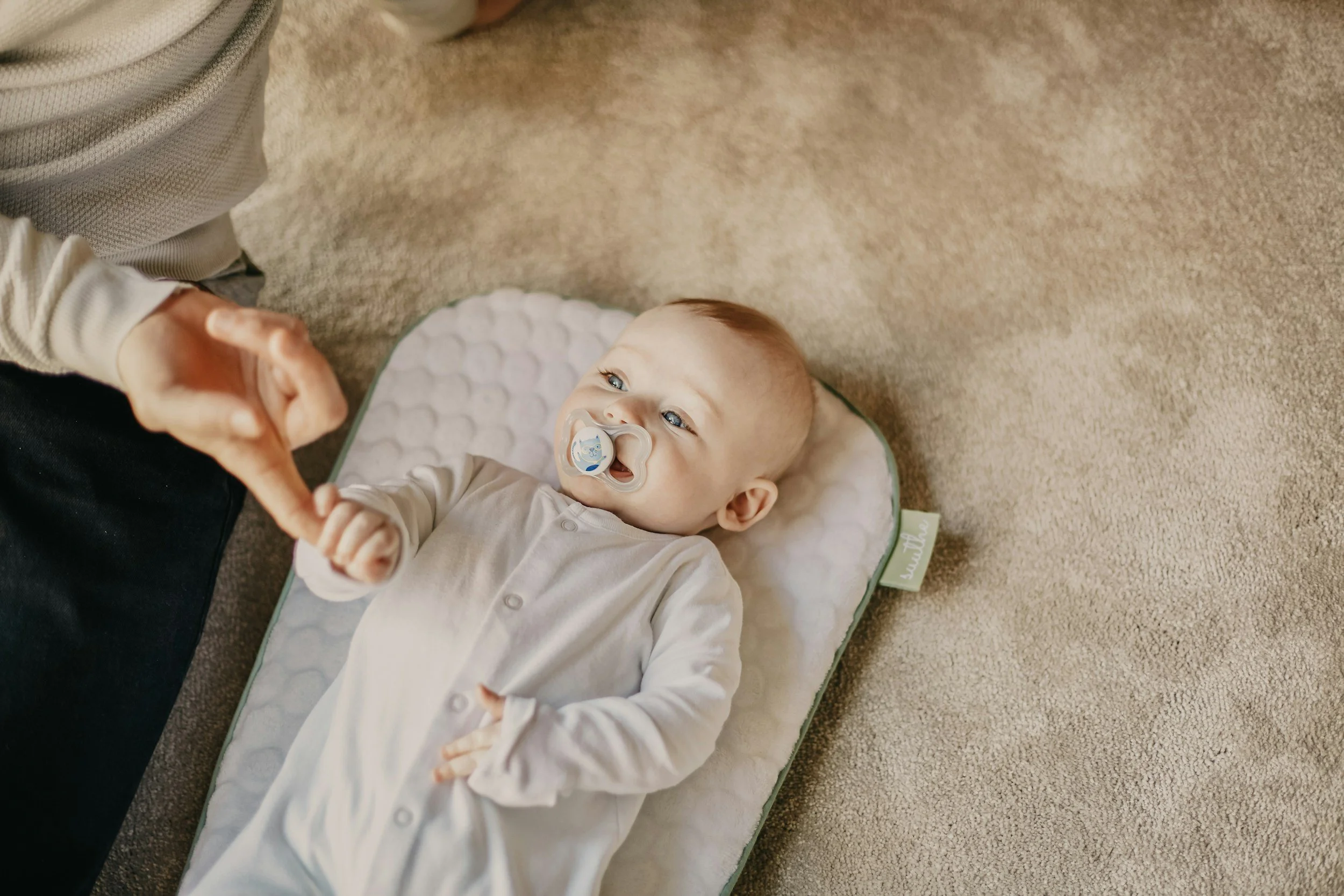
Ideal for newborns and young infants receiving manual therapy for body tension, torticollis, reflux, or feeding challenges — observing your baby in their natural environment gives Dr. Nicole the most complete picture of how they move, feed, and settle throughout the day.
Perfect for families who:
Prefer therapy in a familiar environment
Have newborns or infants just starting milestones
Want to integrate therapy into daily routines
Need convenience + comfort
What’s included:
A PT comes to your home
Real-life movement practice (stairs, play,etc)
Personalized home set-up and positioning guidance
Parent and caregiver training
-
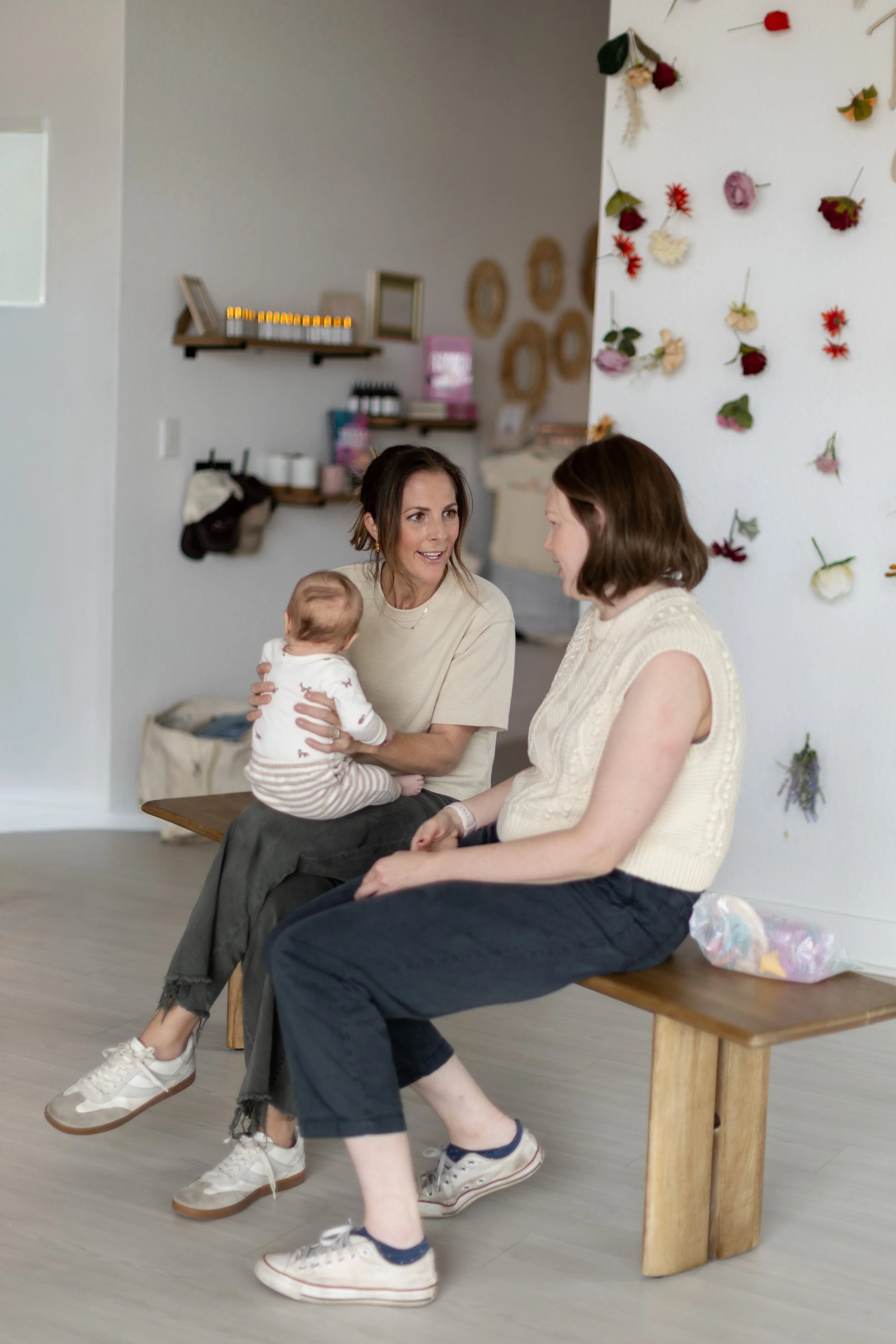
Virtual Pediatric Physical Therapy (Colorado)
A strong option for milestone check-ins, torticollis home program support, and ongoing coaching between in-person visits — accessible no matter where you live in Colorado. Ideal for coaching-heavy care or follow-ups, all from the comfort of your home.
Great for:
Parents seeking expert guidance without travel
Families needing flexible scheduling
Check-ins or ongoing milestone support
Coaching to confidently support your child at home
What’s included:
Live 1:1 video sessions
Demonstrations using your home environment
Video examples, feedback, and tailored plans
Follow-up communication
-
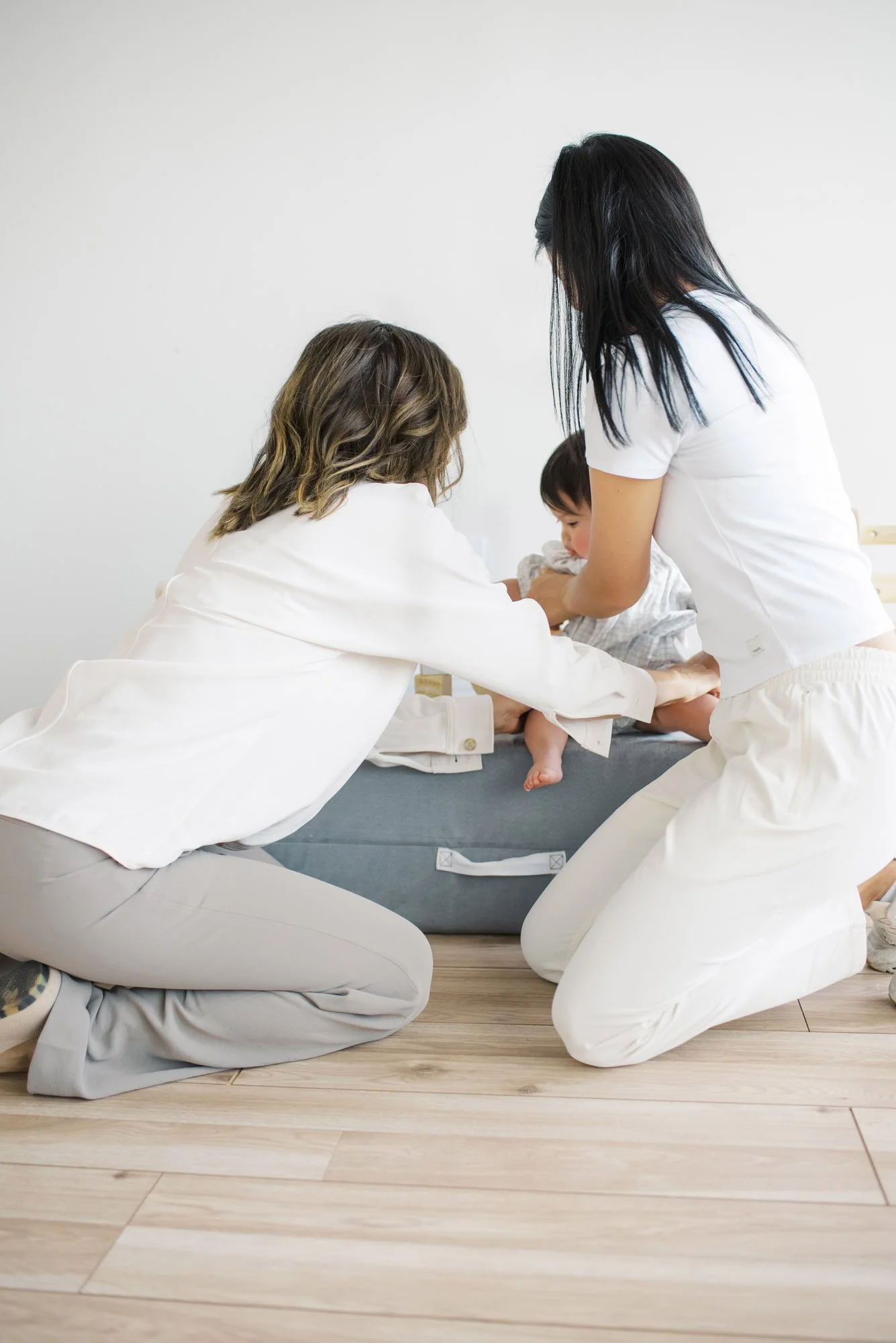
Clinic-Based Pediatric Physical Therapy
Well-suited for hands-on manual therapy treatment of torticollis, plagiocephaly, body tension, and feeding-related challenges — conditions that benefit from Dr. Nicole's full range of specialized equipment and a calm, focused environment.
Best for families who want:
Access to specialized equipment
A distraction-free setting
A consistent therapy routine
Guidance on strengthening, mobility, and coordination
What’s included:
1:1 sessions with a pediatric physical therapist
Play-based strengthening and mobility
Parent coaching & home strategies
Ongoing progress tracking

Clear and simple pricing—Here’s what to expect:
Not sure what your little one needs? Book a complimentary call and we'll figure it out together.
-
$200
Our clients begin their journey at Movevery with a 60-minute initial evaluation. This session includes a comprehensive systems review and an assessment of your child's functional abilities including age-appropriate mobility skills, posture, balance & coordination, flexibility, strength, quality of movements, motor planning, and gait as applicable. We’ll thoroughly discuss your child’s history, review concerns and challenges, and set goals for therapy. From there, we will determine the needs of your family and child and create an actionable follow-up care plan if physical therapy treatment is appropriate. Parents and guardians will always leave the session with practical activities to incorporate into their child’s daily routine. Lastly, we identify and provide referrals outside the scope of physical therapy practice if needed. -
$175
After the initial evaluation, we may recommend follow-up sessions as part of your child’s treatment plan. These sessions, lasting up to 60 minutes, are tailored to your child’s needs and designed to help improve their mobility, release body tension, achieve gross motor goals, enhance physical function, and improve their quality of life and independence. All sessions incorporate age-appropriate activities to enhance strength, balance, coordination, motor planning, and more. They also include a variety of modalities, including the Gillespie Approach Craniosacral Fascial Therapy (CFT), Total Motion Release (TMR) Tots, and infant massage. Strategies and guidance are provided to help set up your child’s environment for optimal skill development. Parent and guardian coaching and education are always included. After each session, you will receive detailed updated activities and recommendations to support your child’s progress. -
The cost of sessions is the same as in-clinic support, plus $20 to cover travel time and gas expenses.
In-home Evaluations $220
In-home Follow-ups $195 -
$150
-
$95
DISCLAIMER:
Movevery is cash pay and out-of-network with all insurances. Upon request, we’ll provide you with a superbill so you can submit it to insurance for out-of-network reimbursement. Out-of-state virtual services are not reimbursable. Payment is due in full in advance of service.
Frequently Asked Questions
-
Most babies begin rolling from tummy to back around 3–4 months, and from back to tummy around 4–6 months. Rolling in both directions is typically expected by 6 months. Keep in mind that timing is only part of the picture — how your baby rolls matters too. Smooth, symmetrical rolling that uses both sides of the body equally is a sign that strength, coordination, and body awareness are developing well. If your baby consistently favors one side, seems to skip rolling, or isn't rolling by 6 months, a physical therapy evaluation can give you clarity and a clear next step.
By the end of your first visit, you'll leave with a clear understanding of your child's needs and an individualized plan of care — whether your child is coming in for torticollis, motor delays, difficulty with tummy time, or any other developmental concern.
-
Bottom scooting is common, but Dr. Nicole always wants to know why a baby is scooting. Babies move in the path of least resistance — so if your baby is choosing to scoot, they're telling us that scooting feels easier than crawling. That's useful clinical information.
Traditional crawling builds the cross-body coordination, core strength, and shoulder stability that bottom scooting doesn't develop — and those foundations support later skills like walking, running, and even handwriting. Some babies who bottom scoot go on to walk without difficulty, while others benefit from support to develop crawling first. A pediatric PT evaluation can help you understand whether it's a movement pattern to watch or one that would benefit from a little extra guidance.
-
A "happy sitter" is a baby who sits independently and contentedly — but hasn't yet started moving in and out of sitting on their own, or shown much interest in transitioning to crawling or pulling to stand. Some happy sitters are simply taking in their surroundings, while others may benefit from support to explore the movement transitions that come next. In pediatric PT, we help babies build the connection between sitting and what comes after — crawling, kneeling, pulling up, and standing. If your baby loves to sit but isn't yet exploring what comes next, Motor Milestone Assistance can help build that bridge.
-
Yes. Low muscle tone (hypotonia) affects how much effort it takes for your baby to hold a position, move against gravity, and build strength through play. Babies with low tone may seem floppy, tire easily during tummy time, or reach milestones on the later end of the typical range. At Movevery, we use gentle, play-based techniques to support strength, stability, and body awareness — working with your child's nervous system rather than pushing against it. Early support for low muscle tone can make a meaningful difference in how your baby progresses through milestones and develops confidence in movement.
DISCLAIMER: Movevery is cash pay and out-of-network with all insurances. Upon request, we’ll provide you with a superbill so you can submit it to insurance for out-of-network reimbursement. Out-of-state virtual services are not reimbursable. Payment is due in full in advance of service.