
The Power of Early Milestones: How Movement Shapes Your Baby’s Brain, Body, and Future
Importance of Early Milestones
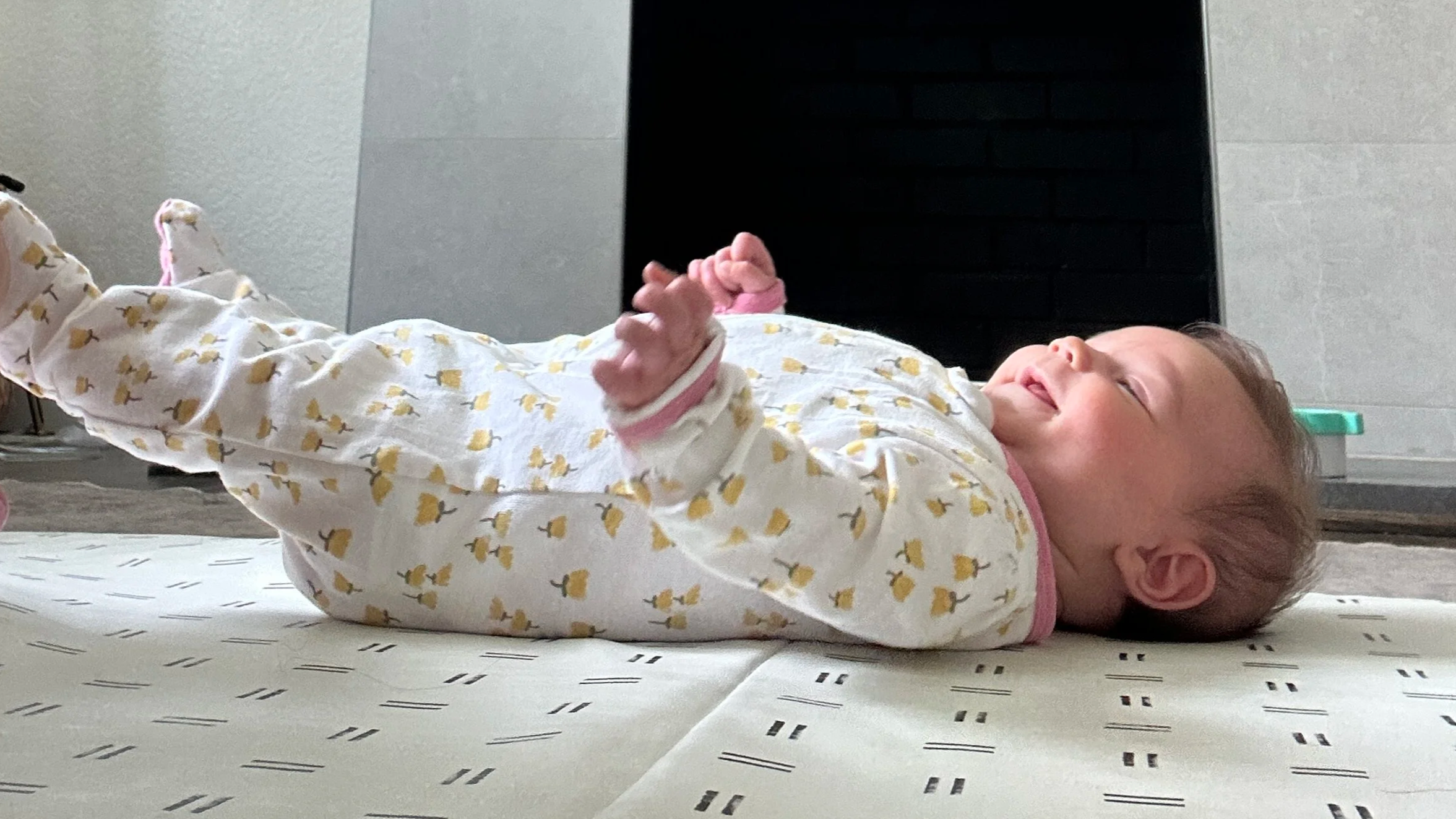
The first years of a child’s life are a time of incredible growth and development. Each small movement or skill achieved plays a crucial role in shaping the first years of a child’s life are a time of extraordinary growth. Every small movement—lifting their head, rolling to the side, reaching for a toy—builds the foundation for all future abilities. These early milestones reveal how your baby’s brain and body are working together. Each skill strengthens coordination, balance, sensory processing, and the confidence needed for more complex tasks like crawling, standing, walking, climbing, dressing, and even later pencil grip.
Every child’s journey is unique, but the connections between milestones are universal. Rolling helps develop the muscles that support crawling. Crawling prepares the body for future movements. These foundational movements activate key regions of the brain that contribute to attention, problem-solving, and even language development. Early movement is a powerful builder of both physical and cognitive growth.
Engaging with your baby during this time—playing, reading, singing, encouraging movement—adds another layer of impact. These shared moments nurture emotional development, security, and curiosity. Each small step forward is a building block for lifelong learning.
The Fastest Brain Growth You’ll Ever See
Research shows that your baby’s brain grows more rapidly in the first three months than at any other point in life. A landmark study in JAMA Neurology found:
The newborn brain grows ~1% per day right after birth.
Growth slows to about 0.4% per day by three months.
Brain volume increases by 64% in just 90 days.
This astonishing expansion happens before rolling, crawling, or sitting ever begins. Long before milestones are visible, the brain is hard at work building the systems that make them possible. Crawling plays a much larger role in your child’s development than simply getting from one place to another. As babies begin this exciting phase, their brains are rapidly forming a remarkable number of new neural connections every second, which are essential for movement, language, and problem-solving. These connections are vital not only for motor skills but also for cognitive processes like problem-solving and language acquisition. Additionally, the movements involved in crawling—coordinating arms and legs—strengthen bilateral brain development, helping both sides of the brain communicate more effectively. This is essential for advanced skills like reading, writing, and climbing.
Interactions during this time are just as impactful as the crawling itself. Simple activities, such as playing, singing, or talking to your baby while they crawl, enhance the bonds between you and your child. These positive experiences reinforce neural pathways that last a lifetime. Crawling also supports sensory integration by involving sight, touch, and movement, which further enriches learning and memory. This foundational stage is an extraordinary opportunity for growth in both physical and mental capacities, as your child engages with their environment in dynamic and meaningful ways.
Why Crawling Matters
Crawling is far more than a way for babies to get around. It is a powerhouse developmental stage.
As babies crawl, their brains are coordinating arms and legs in alternating patterns that strengthen communication between the left and right hemispheres. This bilateral brain work supports higher-level skills like reading, writing, memory, and balance. Crawling also enhances motor planning, core strength, flexibility, and sensory processing—especially sight, touch, and movement working together.
Interactions during crawling are equally powerful. When you talk, cheer, sing, or play alongside your baby, you help reinforce neural pathways that support emotional bonding, motivation, self-regulation, and communication.
Crawling truly blends physical, cognitive, and emotional development all at once.
Benefits of Crawling
Sensory Development – Babies use touch, vision, and body awareness together, refining spatial understanding and sensory processing.
Motor Coordination – Alternating arm-leg patterns improve strength, flexibility, balance, and motor planning.
Emotional Bonding – Serve-and-return interactions—when caregivers respond to a baby’s cues—strengthen communication and emotional regulation.
Cognitive Growth – Exploring their environment builds problem-solving, curiosity, and sustained attention.
Crawling is a dynamic activity that engages your baby’s entire body, helping to build essential skills through movement and exploration. As they crawl, your child uses their hands, eyes, and body in unison, which enhances sensory development and creates neural connections that support future learning and problem-solving (exploration and interaction using all five senses are critical for building neural connections that support lifelong learning and development). The coordinated movements of arms and legs improve motor planning, strength, and flexibility, setting the stage for balance and coordination as they grow.
Crawling also encourages serve-and-return interactions with caregivers, which are vital for emotional bonding and communication skills. When you respond to your baby’s cues during crawling, such as cheering them on or playing alongside them, you’re fostering their motivation and self-regulation.
This stage also strengthens your baby’s ability to interpret sensory input by combining touch, sight, and movement. For example, feeling the texture of the floor while visually focusing on an object ahead helps refine their sensory processing and spatial awareness. These early sensory experiences contribute to their ability to navigate their surroundings with confidence, making crawling an invaluable part of their developmental journey.
Milestone Connections
Crawling serves as a bridge to many future developmental milestones, paving the way for complex skills that require coordination, strength, and balance. Its impact extends far beyond physical movement. The connections formed during this stage support later activities like reading, writing, climbing, and dressing. Engaging in intentional play during early years can also enhance motor skill development. For example, a structured 12-week program focused on goal-oriented play significantly improved motor skills in young children (a 12-week training program involving goal-oriented play activities significantly improved motor skills in children aged 4.5–6 years.
Play-based activities like balancing, arranging blocks, or reaching for toys activate muscles and improve spatial awareness. These targeted movements build strength, coordination, and agility, all while encouraging problem-solving and focus (goal-oriented play activities improved motor elements like strength, durability, agility, speed, balance, and coordination. These kinds of activities, combined with natural developmental progressions like crawling, reinforce the connection between physical and cognitive growth.
Each skill mastered builds a pathway for future learning, making this phase of your child’s journey essential for laying the groundwork for more advanced achievements. Through movement and play, your child’s brain and body work together to refine coordination and develop the foundational skills needed for everyday tasks and academic success.
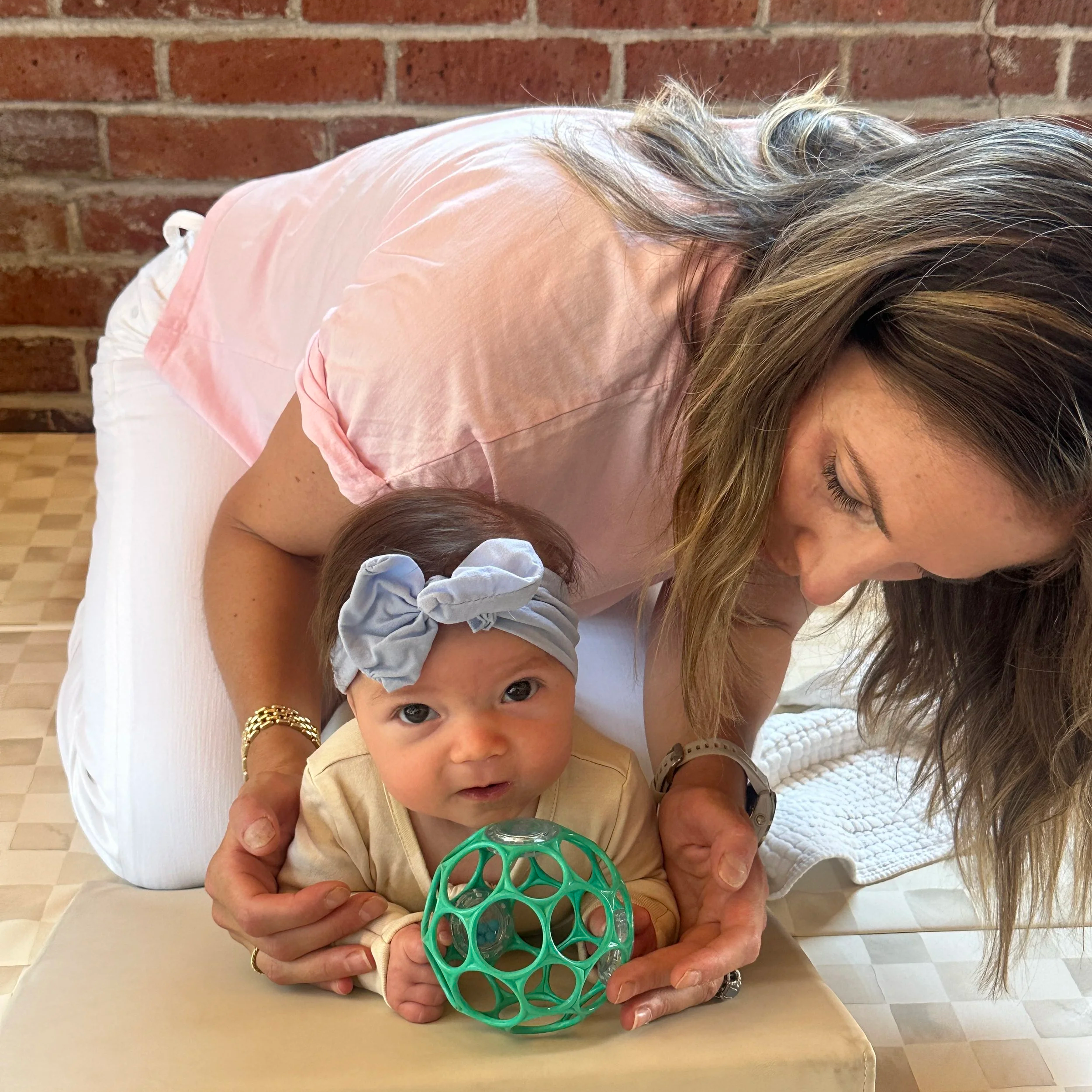
Baby on a pillow playing with a ball, exploring movement that builds coordination, balance, and early motor skills.
Crawling Alternatives
If your child doesn’t crawl as a baby, engaging them in other activities and encouraging them to crawl when older can help develop similar skills. Encourage movement-based play that involves full-body engagement, such as climbing over cushions, crawling through tunnels, or playing games that require bilateral coordination or reciprocal movements. These activities activate the muscles used for balance, coordination, and strength while encouraging exploration and interaction with their surroundings.
Incorporate playful challenges that encourage crossing the midline, like drawing large shapes on paper or playing with toys that require reaching across the body. These movements help improve bilateral coordination and build neural connections that support future learning and motor skills. Activities like rolling a ball back and forth, practicing push-and-pull motions, or even dancing can also enhance hand-eye coordination and spatial awareness in a fun and engaging way.
Sensory-rich environments, such as sandboxes, carpets, or foam play mats, provide opportunities for your child to engage multiple senses while strengthening their body. The key is creating enjoyable, interactive moments that naturally build the physical and cognitive skills typically developed through crawling. When your child feels supported and encouraged, they’ll be more eager to try new movements and explore their environment with confidence.
Addressing Parental Concerns
It’s understandable to feel worried when your child’s developmental journey doesn’t align with typical timelines or what you see in other children. These moments can bring uncertainty, but it’s essential to focus on what your child is communicating through their unique progress. Every child has their own path, and even small steps forward are meaningful signs of growth.
If you notice your child struggling with certain skills or not meeting expected milestones, there are many ways to support them. Early movement-based play, for example, is a great way to encourage strength, coordination, and confidence while making development fun and interactive. Activities like climbing, ball games, or games that involve reciprocal movements can build similar skills to crawling and provide opportunities for your child to explore at their own pace.
You may also consider consulting with your pediatrician or seeking professional guidance to better understand your child’s needs. Therapists or specialists can recommend tailored activities or exercises that support your child’s development in ways that feel approachable and stress-free for your family.
It’s also helpful to stay engaged with your child’s progress through daily play and interactions. Celebrate their accomplishments, no matter how small, and continue to create opportunities for exploration and movement. These moments of connection not only support your child’s growth but also strengthen the bond between you, reminding them that they’re surrounded by love and encouragement.
Why “Wait and See” Isn’t Enough
Parents are often advised to “just give it time” when they notice things like:
Head preference
Flat spots
Difficulty with tummy time
Delayed rolling or sitting
But when the brain is forming a million connections per second, waiting may mean missing an opportunity to support optimal development during a highly adaptable period.
Early support doesn’t mean stress; it means using the brain’s natural plasticity to gently guide healthier movement patterns, reduce compensations, and ease uncertainty for parents.
A Story From Practice
Elly was a newborn with a strong head preference to one side. Instead of waiting, her parents sought early help. With gentle positioning support, tummy time guidance, and craniosacral fascial therapy, her head shape improved, her tension released, and she gained freedom to explore movement with comfort and confidence in just two weeks!
Her parents didn’t feel like they were waiting and worrying—they felt empowered, supported, and proactive during a critical window of development.
What This Means for You
If you want to give your baby the best start, remember:
The first three months are about wiring the brain and body for all future learning.
This isn’t about rushing milestones.
It’s about creating the optimal environment and supporting your baby’s body for your baby to build strong foundations.
At Movevery, we specialize in supporting:
Head shape concerns
Torticollis
Tummy time challenges
Motor milestone delays
Hypotonia or low tone
Body tension or tightness
We partner with you so you feel confident, supported, and equipped to nurture your baby through these powerful early weeks with gentle strategies that make a lasting impact.
Early intervention isn’t about anxiety—it’s about opportunity, empowerment, and helping every little body thrive.
